
Much of my working life was spent in higher education. For many years, I was the Rank Foundation Research Fellow and Tutor at the YMCA George Williams College, London. I focused on developing practice in youth work, social work, and community education/learning. This included a particular emphasis on group work, working with individuals, and exploring informal education and social pedagogy. For a time, I was also a visiting professor at the University of Strathclyde. All this led, thirty years ago, to the establishment of infed.org. It became the online encyclopaedia of pedagogy and informal education. We closed the site late in 2026 following several technical problems and are developing a much smaller resource with a different focus.
Educational and developmental projects
I have worked in careers advice, youth and community work, and on education programmes. The first of the latter was a Department of Education and Science, England (DES) funded developmental project focused on political education. It was based at the National Association of Youth Clubs (1978-81).
A second DES developmental project (1981-85) took me to the YMCA College, London. The team’s task was to develop and run a new distance-learning programme focused on the professional training of youth and community workers and community educators. I left the College 32 years later (in 2013). Major reductions in government support for community learning and development, as well as for work with young people, meant the programme and the College were slowly headed for closure. [It finally shut its doors in 2025]. Close to 1,500 practitioners passed through the programme.
The third Department for Education (and Big Lottery Fund) project involved a critical evaluation, undertaken with Jean Spence, of the myplace initiative (completed in 2011).
From 1986 to 2013, I spent around half my time working with the Rank Foundation to develop and help run a five-year degree-level programme for practitioners in the Foundation’s Youth or Adult? programme. Another scheme trained young volunteers. Several publications grew out of this work [see publications].
Finally, I set up Developing Learning (2013-21), a small consultancy and development company. Among other things, I continued to develop study units for the YMCA George Williams College [click for details]. Another organisation now uses the Developing Learning brand.
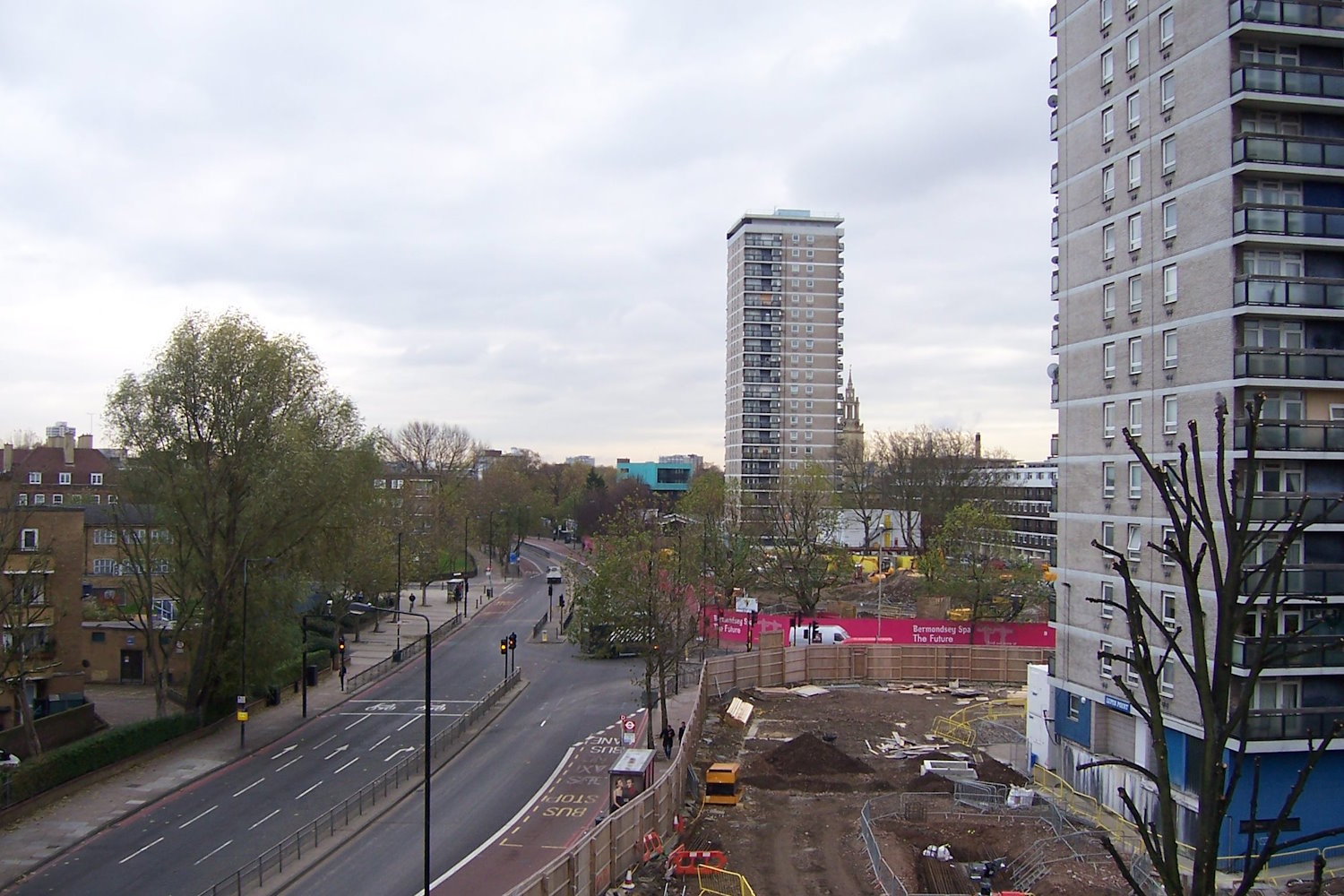
Other activities have included chairing the Two Towers tenants’ cooperative in Bermondsey (which managed the tower blocks pictured above) and the Community and Youth Worker’s Union (now part of Unite). I also served on the editorial board of Youth and Policy and was a Resident Friend at Westminster Quaker Meeting House. For current projects, see below.
Publications
Among my books are Creators not Consumers (1980, 1982), Developing Youth Work (1988), Local Education (1994), Informal Education (1996, 1999, 2005 with Tony Jeffs), five edited collections concerning social welfare and social work (1989-95 with Pam Carter and Tony Jeffs), The Art of Helping Others (2008, with Heather Smith), Youth Work Practice (2010, edited with Tony Jeffs), Journeying Together (2011, edited with Alan Rogers) and Youth Work and Faith (2015, edited with Naomi Stanton and Tom Wylie). [Click for a full listing].
Current projects
I now live on a farm in South Ronaldsay (in Orkney) and am working with Tony Jeffs on a book that explores the need to reimagine education, and on a new website to replace infed.org. Local activities include being a trustee of The Cromarty Hall. It has been a centre for community activities on South Ronaldsay since 1878. [Click to view the old website]. I am also involved in Hope Cohousing, a community interest company. It is working to establish a small, affordable rental housing project for older people based in St Margaret’s Hope, Orkney.
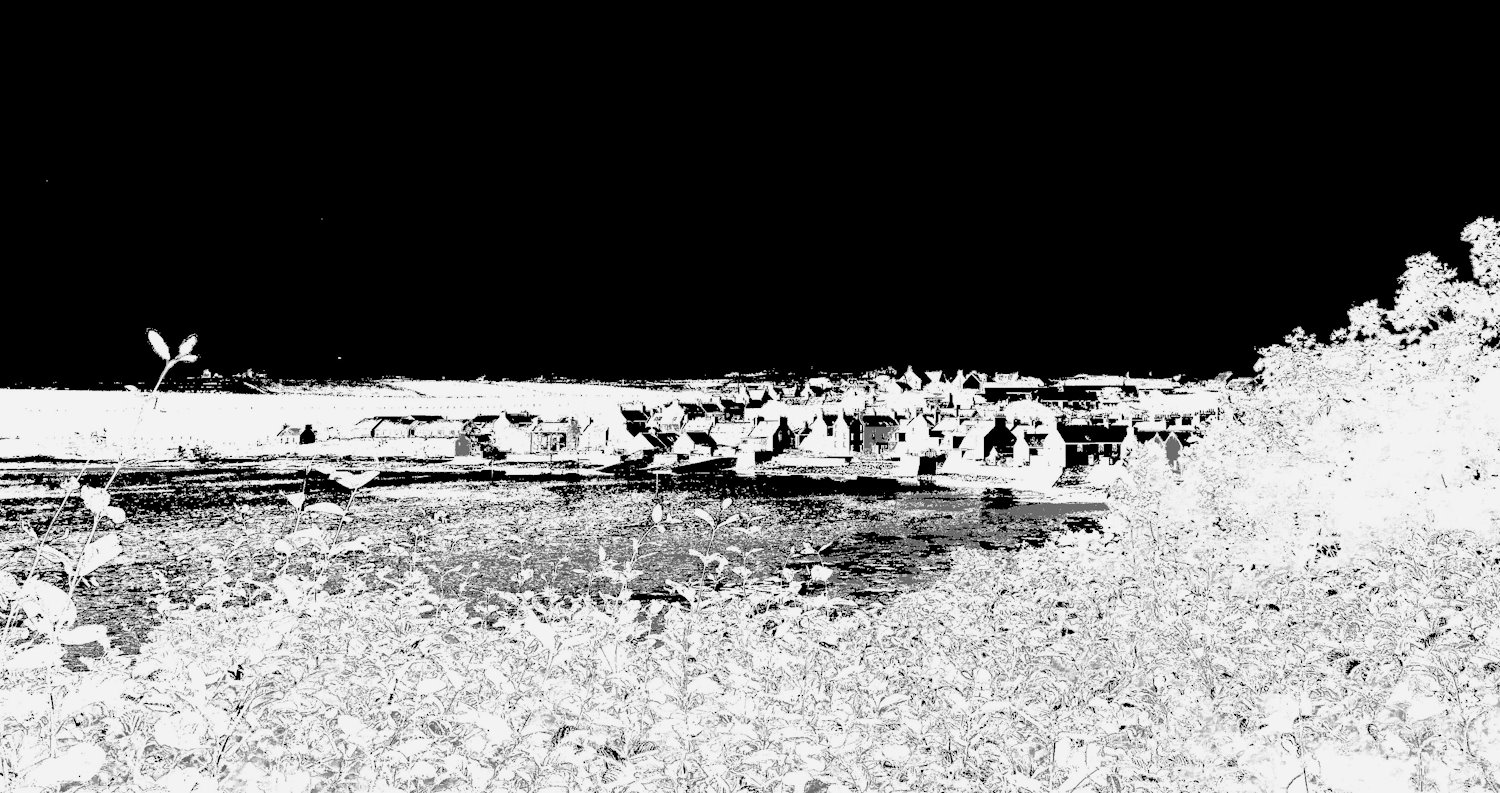
Exploring South Ronaldsay: This new project, which began in 2025, focuses on the history and the lived experience of South Ronaldsay and Burray over the last 13,000 years or so (starting in Palaeolithic times). Designed for both Orkney residents and island visitors, it explores archaeological sites, churches, schools, listed buildings, and walks and other activities to enjoy. Currently, the site has over 5,000 unique visitors a month. The islands, like Stromness to the west, are a magical and popular gateway to Orkney. Look out, in particular, for the listening walks created by Sheena Graham-George, and a new page on the later history of Burray and South Ronaldsay, which now covers 1472-1799. This was when Orkney became part of Scotland (rather than being Norse or, before that, Pictish – click for an overview of the early years).
Qualifications
I earned my initial degree in Economics (with politics) at the University of Lancaster. Later, I gained a doctorate from the University of London. My work explored the thinking and practice of educators engaged with local networks, cultures, and understandings. Participants came from community work, youth work, community learning and adult education. It was later published as Local Education – available to read in the Internet Archive if you log in.
Opening image: Printing blocks by Amador Loureiro on Unsplash.